What an Attorney Recommends After a Serious Work-Related Injury


A serious work-related injury can disrupt nearly every part of a person’s life at once—health, income, daily mobility, and long-term stability. In the immediate aftermath, decisions are often made under stress, pain, and uncertainty, which makes it easy to overlook important steps that can affect both recovery and financial protection.
What many people don’t realize is that the actions taken in the first hours, days, and weeks after an injury often determine how smoothly medical care is received and how effectively any related claims are handled. From documentation to treatment coordination and legal guidance, each step plays a role in shaping the overall outcome.
Understanding what to do—and when to do it—can help injured workers avoid common mistakes, access proper care, and ensure their rights are protected throughout the recovery process.
Getting Immediate Medical Attention After a Workplace Injury
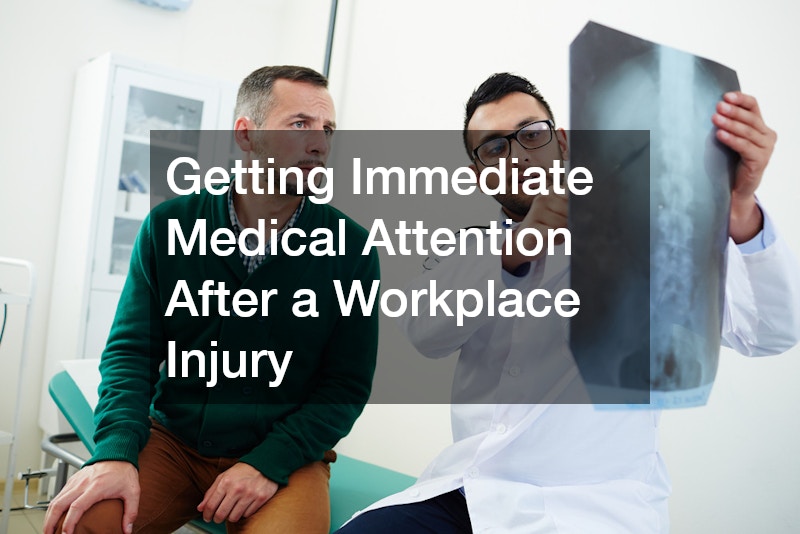
After a serious workplace injury, the first priority should always be medical evaluation, even if symptoms initially seem manageable. Some injuries, such as internal trauma, concussions, or soft tissue damage, may not present full symptoms immediately but can worsen significantly without early treatment.
In less difficult but still urgent situations, visiting urgent care can be an appropriate first step. These facilities can assess injuries quickly, provide initial treatment, and determine whether emergency services or specialist care are needed.
For ongoing recovery, establishing care with a local doctor is essential. A consistent provider ensures continuity in treatment, tracks progress over time, and creates a reliable medical record that reflects the full extent of the injury.
Important steps after injury include:
- Seeking medical attention immediately, even for moderate symptoms
- Reporting all pain areas clearly during evaluation
- Following through with the recommended diagnostic tests
- Keeping copies of all medical documentation
A strong medical record not only supports recovery but also becomes a key component in any future claim or legal review.
Reporting the Injury and Protecting Your Legal Position Early
Once immediate medical needs are addressed, reporting the injury properly is the next critical step. Delays or incomplete reporting can create complications later, especially when determining eligibility for benefits or compensation.
A formal report should include:
- Exact time and location of the incident
- Description of how the injury occurred
- Names of any witnesses
- Initial symptoms experienced
- Any equipment or conditions involved
Consulting an attorney early in the process can help ensure that reporting is accurate and complete. Legal professionals can also guide injured workers on what documentation is most important to preserve.
Working with local lawyers can be especially helpful because they are familiar with regional reporting requirements, employer obligations, and state-specific timelines. This local knowledge can prevent procedural mistakes that might otherwise weaken a claim.
Key actions to take:
- Submit written reports promptly
- Keep personal copies of all incident documentation
- Avoid informal or undocumented agreements about the injury
- Seek legal guidance before signing any complex paperwork
Early clarity in reporting helps prevent disputes and ensures the injury is properly recognized from the start.
Understanding Your Legal Representation Options

Navigating a work injury claim often involves complex legal and administrative processes. Understanding the role of legal representation helps injured workers make informed choices about their case.
A law firm handling workplace injury cases typically manages documentation, negotiations, and communication with insurance providers. They ensure that deadlines are met and that claims are supported by appropriate medical and factual evidence.
In many situations, working with a workers’ compensation lawyer becomes essential, especially when injuries are severe, recovery is prolonged, or benefits are disputed. These specialists understand how to interpret policy language and advocate for fair compensation.
When selecting legal support, consider:
- Experience with workplace injury cases
- Track record of handling similar claims
- Communication style and responsiveness
- Fee structure and consultation availability
It is also important to understand when legal intervention is most effective. Early involvement often prevents procedural mistakes that can delay or reduce benefits.
Handling Liability in Non-Standard Workplace Accidents
Not all workplace injuries fall under straightforward compensation claims. In some cases, liability may extend beyond the employer, especially when third-party negligence or unsafe conditions contribute to the incident.
For example, slip and fall accidents in workplaces such as warehouses, retail environments, or construction sites often involve multiple factors like wet surfaces, uneven flooring, or poor maintenance.
A slip and fall attorney can evaluate whether additional liability exists outside of standard workers’ compensation coverage. This can be important in determining whether further legal action or claims are appropriate.
To strengthen a case, injured workers should:
- Take photos of the accident scene if possible
- Preserve clothing or equipment involved
- Identify witnesses and obtain contact information
- Document environmental conditions at the time of injury
Avoiding assumptions about fault is important. Legal professionals can assess whether negligence played a role and whether additional claims may apply.
Building a Structured Recovery Plan Through Rehabilitation
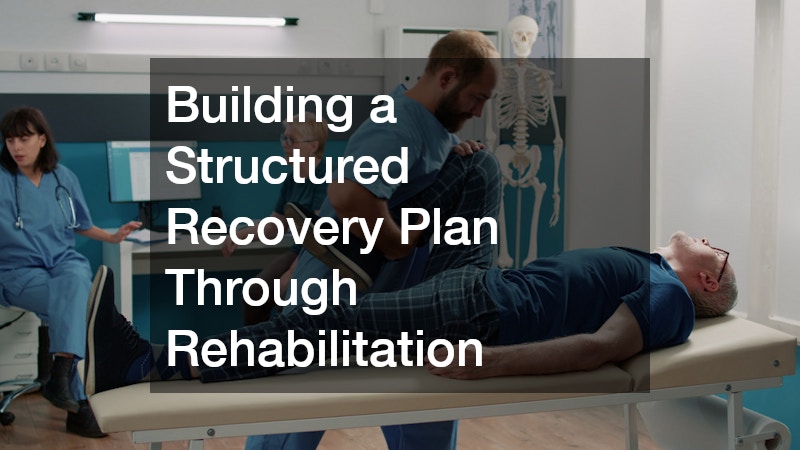
Recovery from a serious injury is rarely immediate. It often requires a structured rehabilitation plan designed to restore mobility, strength, and function over time. Following medical guidance consistently is essential for long-term improvement.
Physical therapy is frequently recommended as part of this process. It focuses on rebuilding strength, improving flexibility, and reducing pain through guided exercises and monitored progression.
A physical therapist plays a key role in:
- Designing personalized recovery exercises
- Monitoring improvement and adjusting treatment
- Preventing reinjury through controlled movement
- Educating patients on safe activity levels
To maximize recovery outcomes, patients should:
- Attend all scheduled therapy sessions
- Perform prescribed exercises at home
- Communicate changes in pain or mobility
- Avoid overexertion during early recovery stages
Consistency is one of the most important factors in achieving full recovery after a serious injury.
Exploring Alternative and Supportive Treatment Options
In addition to traditional rehabilitation, some injuries benefit from complementary treatment approaches that support healing and pain management, especially when recovery involves persistent discomfort, limited mobility, or slow improvement under standard care alone. These options are most effective when they are used as part of a coordinated plan rather than independent or isolated treatments, because uncoordinated care can sometimes interfere with healing or create conflicting recommendations.
One commonly used option is chiropractic treatment, particularly for injuries involving the spine, neck, or joints, where alignment and mobility are directly affected. This type of care focuses on restoring proper movement patterns, improving joint function, and reducing pressure on surrounding nerves and soft tissues. In some cases, patients report improved range of motion and reduced stiffness after consistent sessions, especially when combined with other rehabilitation methods.
When considering alternative treatments, it is important to:
- Ensure providers are licensed and qualified, with verified credentials and experience treating similar injury types
- Coordinate care with primary physicians so that all treatments align with the overall recovery plan and do not conflict with medical advice
- Avoid overlapping or conflicting treatments, particularly when multiple providers are addressing the same area of injury in different ways
- Monitor how the body responds over time by tracking pain levels, mobility changes, and any new symptoms that develop after treatment sessions
Careful monitoring is especially important because not all injuries respond the same way to complementary care. Some individuals may experience gradual improvement, while others may notice little change or temporary discomfort as the body adjusts to new treatment methods. This makes communication between providers essential to ensure that care remains appropriate and effective.
While alternative therapies can be beneficial in supporting recovery, they should never replace essential medical treatment or prescribed rehabilitation plans. Instead, they should function as part of a broader recovery strategy tailored to the individual’s condition, ensuring that all aspects of healing—pain management, mobility restoration, and functional recovery—are addressed in a safe and coordinated manner.
Coordinating Long-Term Medical Documentation and Care

Long-term recovery requires careful documentation of both medical progress and ongoing limitations because injuries often evolve over time rather than resolving in a linear way. Symptoms may improve in one area while worsening in another, and without consistent records, it becomes difficult for healthcare providers to identify patterns or adjust treatment plans effectively. Detailed documentation also helps establish how the injury affects daily life, work capacity, and long-term physical function.
Consistent documentation should include:
- Doctor visit summaries that outline diagnoses, treatment recommendations, and follow-up instructions
- Diagnostic test results, such as imaging, lab work, or specialist evaluations, that confirm the nature and severity of the injury
- Therapy progress reports that show improvements, setbacks, and changes in functional ability over time
- Medication records detailing prescriptions, dosage changes, and responses to treatment
- Personal notes on symptoms and limitations, including pain levels, mobility challenges, sleep disruption, and difficulty performing routine tasks
A law firm handling a case may rely on this documentation to support claims and ensure accurate representation of the injury’s impact over time. These records help establish a clear timeline that connects the workplace incident to ongoing medical needs, especially when symptoms fluctuate or recovery is prolonged. Without consistent documentation, it becomes harder to demonstrate the full extent of the injury’s effects on earning capacity, daily function, and long-term health.
To stay organized, injured workers should:
- Keep all medical records in a single location, whether digital or physical, to avoid missing or fragmented information during treatment or legal review
- Track symptoms daily or weekly, noting severity, triggers, and any changes in mobility or pain levels to provide a more complete picture of recovery trends
- Save receipts and billing statements for all medical-related expenses, including appointments, prescriptions, and therapy sessions, to ensure accurate financial tracking
- Update providers regularly on changes in condition so treatment plans remain aligned with current symptoms and recovery progress
Clear documentation helps ensure continuity between medical care and legal proceedings by creating a reliable, chronological record that supports both treatment decisions and case evaluation.
Preventing Delays and Mistakes During the Recovery Process
Delays in treatment or inconsistencies in care can significantly impact both recovery and legal outcomes because they create gaps in the medical record that are often difficult to explain later. When treatment is interrupted, it can appear as though the injury improved or was less severe than initially reported, even if that is not the case. This can slow healing and also weaken the documented connection between the workplace incident and ongoing symptoms.
One of the most common mistakes is interrupting treatment due to cost concerns, scheduling issues, transportation challenges, or misunderstandings about whether continued care is truly necessary. Even when symptoms temporarily improve, stopping treatment too early can allow underlying issues to worsen again, especially with musculoskeletal injuries, nerve-related conditions, or repetitive strain injuries that require consistent monitoring.
To avoid setbacks, injured workers should:
- Follow all prescribed treatment plans without interruption, even if progress feels slow or symptoms fluctuate
- Attend all scheduled medical and therapy appointments, since missed visits can delay recovery milestones and create inconsistencies in care
- Report new or worsening symptoms immediately so treatment plans can be adjusted before the condition progresses further
- Avoid returning to work prematurely without clearance, as early return can aggravate injuries and extend overall recovery time
Each of these steps helps ensure that recovery is documented clearly and progresses in a controlled, medically supervised way. Consistency also allows healthcare providers to identify patterns in symptoms, adjust therapies appropriately, and prevent avoidable complications such as reinjury or chronic pain development.
Communication is also essential throughout the entire recovery process. Coordinating between medical providers, attorneys, and employers ensures that everyone involved has accurate, up-to-date information about the injury, treatment status, and any work restrictions. When communication breaks down, it can lead to misunderstandings about what the patient can safely do, delays in benefit approvals, or unnecessary disputes about medical necessity.
Maintaining this consistency reduces the risk of complications and supports a more stable recovery process overall by creating a clear, continuous record of care that reflects both medical progress and workplace impact over time.
Conclusion
A serious workplace injury requires more than just immediate medical attention—it demands a structured approach that includes proper treatment, careful documentation, and informed legal support. Each step, from early reporting to rehabilitation and long-term care coordination, plays a role in shaping both recovery outcomes and financial protection.
By staying proactive, following medical guidance, and seeking appropriate professional assistance, injured workers can better navigate the challenges that follow a workplace accident and focus on rebuilding their health and stability.